
In 2002, Ralph Krueger penned a book titled Teamlife. Its subtitle — Über Niederlagen zum Erfolg — translates into English as “from defeats to success.”
That’s Krueger in a nutshell.
It’s always been all about the team and a positive outlook on life, a determination to turn defeats into success.
The son of German immigrants, Krueger was born in Winnipeg, Canada, and, like so many other kids in Canada, he fell in love with hockey. At 18, he moved to Germany, his parents’ homeland, to try his hand at professional hockey.
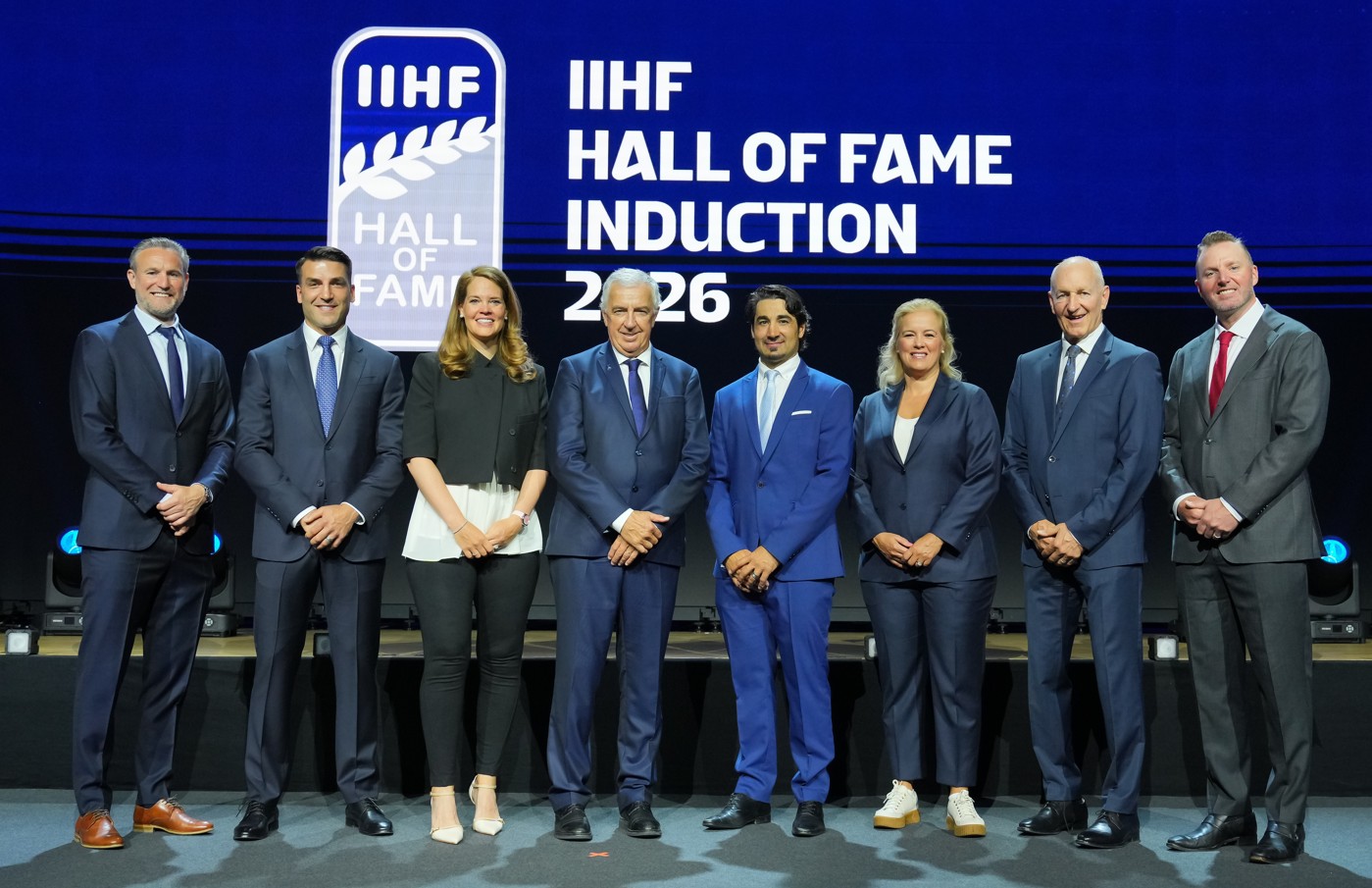
Fifty years later, Krueger, the long-time Switzerland coach, was inducted into the 2026 IIHF Hall of Fame as a Builder.
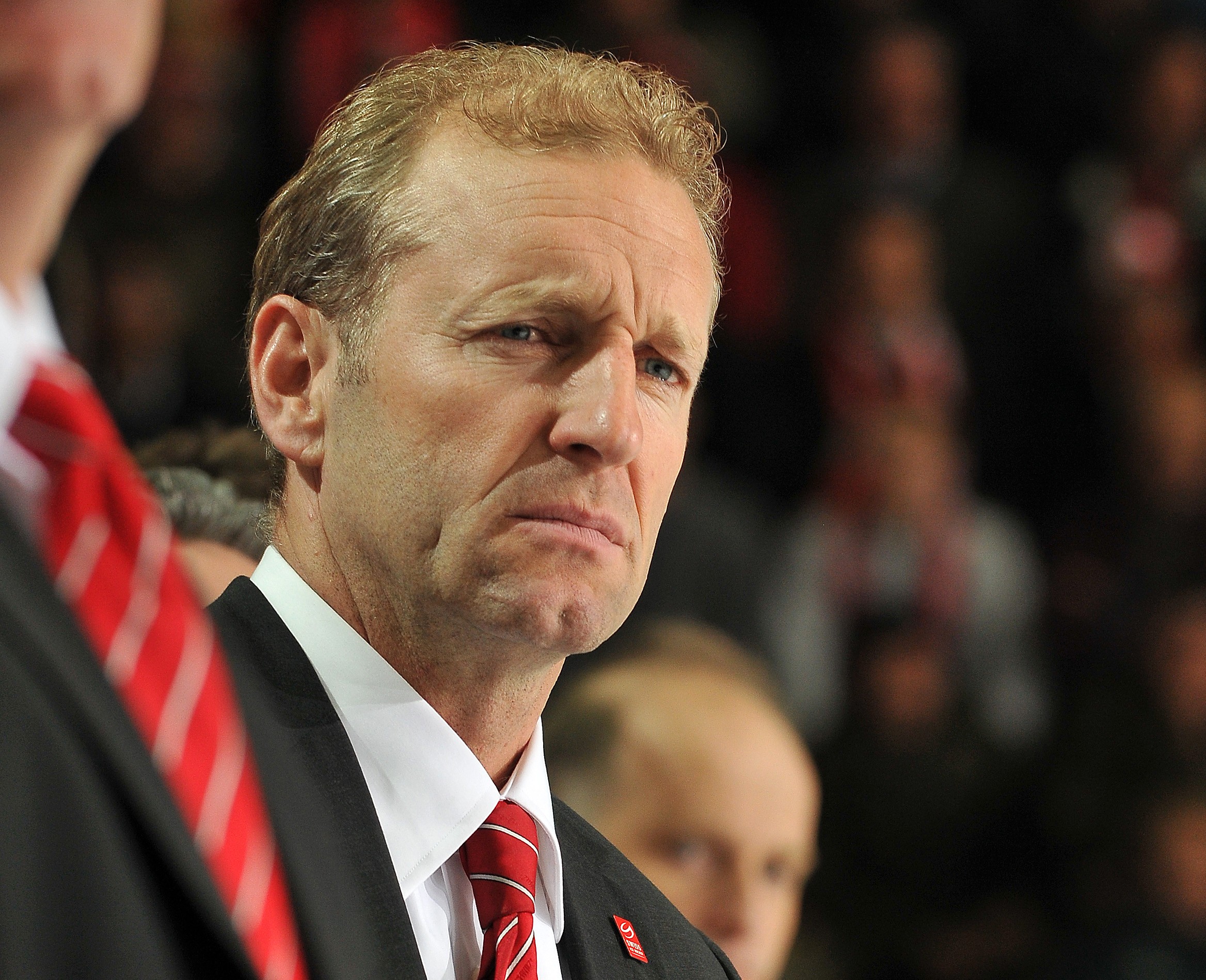
“Who would’ve thought that when that five-year-old with long, bushy hair, born to German immigrants, stepped on the ice and took his first strides, it would lead to this,” Krueger said in his acceptance speech in Zurich in May.
“Thank you, hockey, for filling my life with so much passion. Hockey filled my life with inspiration and motivation — and what a life I’ve had,” he added.
For his last two seasons as a player, Krueger also doubled as a coach, and in 1991, took over Feldkirch. He spent seven seasons in Austria, leading the team to a sensational European Hockey League championship after beating Dynamo Moscow 5-3 in the final.
He also took over the Swiss men’s national team in 1998.
Between 1963 and 1997, the Swiss had played in the World Championship A Pool only six times, but under Krueger they remained in the top division every year. In Krueger’s first tournament in 1998, newly promoted Switzerland finished fourth, losing the bronze-medal game to the Czechs.
In all, Krueger coached the national team at twelve World Championships and three Olympics. He was also the head coach of the Edmonton Oilers and the Buffalo Sabres, as well as Team Europe, which sensationally made the World Cup of Hockey final in 2016.
In hindsight, everything seems obvious, even Krueger’s career path.
In a parallel universe, though, he made another choice after his playing career ended.
When he heard about his induction into the IIHF Hall of Fame, his mind flashed back to one pivotal moment in his career. It wasn’t Feldkirch’s European title, nor was it Switzerland’s 2-0 win over Canada in the Turin Olympics in 2006.
“It was during my second season in Austria,” Krueger told IIHF.com in Zurich. “We went winless in our last fifteen games, and I had another opportunity I could pursue.”
It was something completely different. First off, it was in Texas. Second, it was in the hotel business.
“That’s what I had my training in, and I had invested in a project there. During that long winless streak, my partners started to put some pressure on me. Was I going to remain just an investor, or would I come work there?” Krueger said.
Interestingly, the losing didn’t dampen Krueger’s passion for the game — or coaching. In a way, it was the losing that brought it to the forefront.
“The losing showed me that I was in the right place,” he said. “I remember feeling the love for the game, and a passion I had never felt before. I told my wife I had to keep on coaching,” Krueger said.
She wasn’t as certain it was a good idea, but teammates have each other’s backs.
“She looked at me, like, ‘Really?’ But something about the adversity brought something up in me, and that was the key moment. I could have given up, you know, and gone to America.”
He stayed.
He turned the losses into wins and misfortunes into success stories.
And along the way, he inspired others to do the same.
That’s Krueger in a nutshell.
It’s always been all about the team and a positive outlook on life, a determination to turn defeats into success.
The son of German immigrants, Krueger was born in Winnipeg, Canada, and, like so many other kids in Canada, he fell in love with hockey. At 18, he moved to Germany, his parents’ homeland, to try his hand at professional hockey.
Fifty years later, Krueger, the long-time Switzerland coach, was inducted into the 2026 IIHF Hall of Fame as a Builder.
“Who would’ve thought that when that five-year-old with long, bushy hair, born to German immigrants, stepped on the ice and took his first strides, it would lead to this,” Krueger said in his acceptance speech in Zurich in May.
“Thank you, hockey, for filling my life with so much passion. Hockey filled my life with inspiration and motivation — and what a life I’ve had,” he added.
For his last two seasons as a player, Krueger also doubled as a coach, and in 1991, took over Feldkirch. He spent seven seasons in Austria, leading the team to a sensational European Hockey League championship after beating Dynamo Moscow 5-3 in the final.
He also took over the Swiss men’s national team in 1998.
Between 1963 and 1997, the Swiss had played in the World Championship A Pool only six times, but under Krueger they remained in the top division every year. In Krueger’s first tournament in 1998, newly promoted Switzerland finished fourth, losing the bronze-medal game to the Czechs.
In all, Krueger coached the national team at twelve World Championships and three Olympics. He was also the head coach of the Edmonton Oilers and the Buffalo Sabres, as well as Team Europe, which sensationally made the World Cup of Hockey final in 2016.
In hindsight, everything seems obvious, even Krueger’s career path.
In a parallel universe, though, he made another choice after his playing career ended.
When he heard about his induction into the IIHF Hall of Fame, his mind flashed back to one pivotal moment in his career. It wasn’t Feldkirch’s European title, nor was it Switzerland’s 2-0 win over Canada in the Turin Olympics in 2006.
“It was during my second season in Austria,” Krueger told IIHF.com in Zurich. “We went winless in our last fifteen games, and I had another opportunity I could pursue.”
It was something completely different. First off, it was in Texas. Second, it was in the hotel business.
“That’s what I had my training in, and I had invested in a project there. During that long winless streak, my partners started to put some pressure on me. Was I going to remain just an investor, or would I come work there?” Krueger said.
Interestingly, the losing didn’t dampen Krueger’s passion for the game — or coaching. In a way, it was the losing that brought it to the forefront.
“The losing showed me that I was in the right place,” he said. “I remember feeling the love for the game, and a passion I had never felt before. I told my wife I had to keep on coaching,” Krueger said.
She wasn’t as certain it was a good idea, but teammates have each other’s backs.
“She looked at me, like, ‘Really?’ But something about the adversity brought something up in me, and that was the key moment. I could have given up, you know, and gone to America.”
He stayed.
He turned the losses into wins and misfortunes into success stories.
And along the way, he inspired others to do the same.